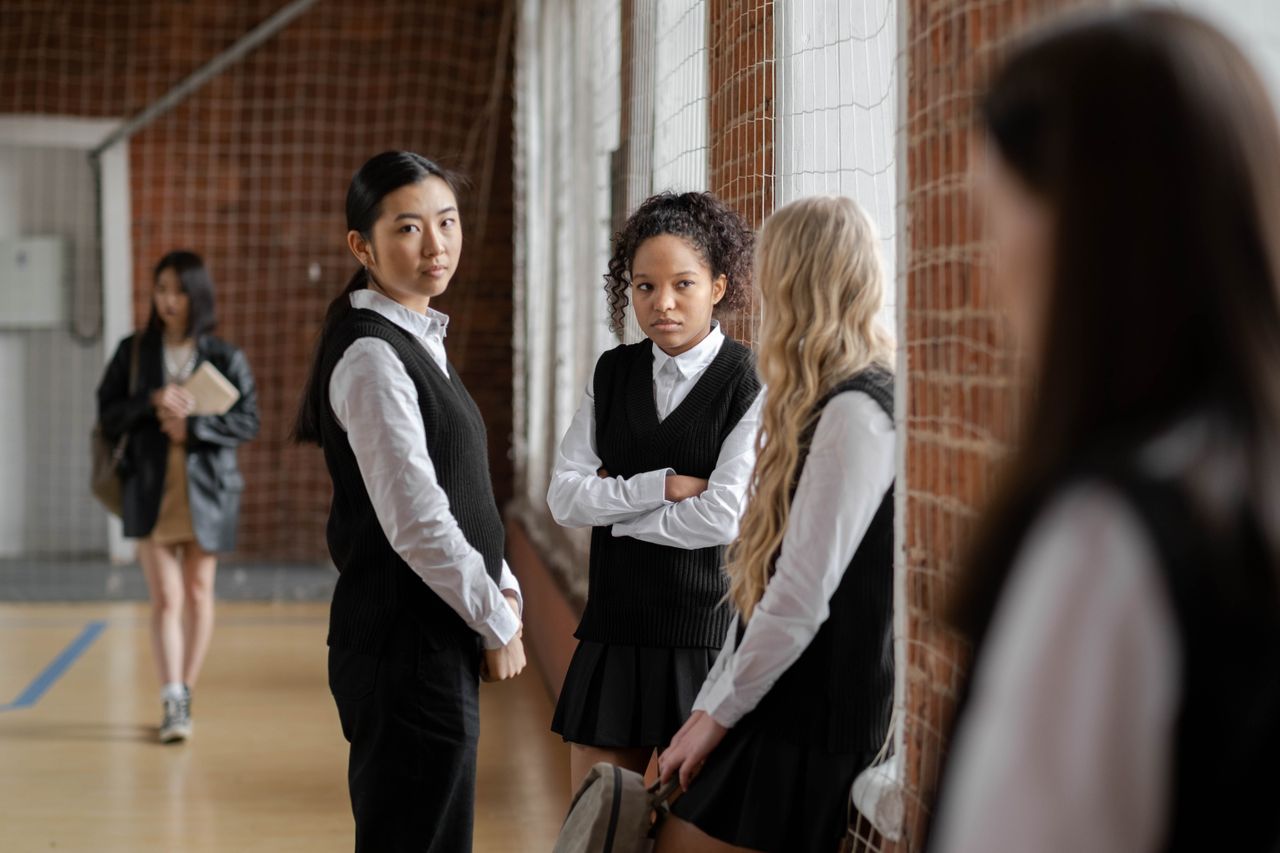
We know bullying is a problem. The statistics tell us that. But for school leaders, teachers, and parents, knowing that bullying exists isn’t the same as knowing how to stop it.
The first step in any solution is understanding the scope of the issue. Recent data shows 26.1% of middle school students experience bullying, with cyberbullying cases having more than tripled over the past 15 years. You can read our deep dive on the prevalence and mental health impacts in “The Hidden Crisis: How Bullying Shapes School Climates and Student Mental Health“.
Establish Clear Reporting Systems That Students Actually Trust
Bullying takes place out in the open—in hallways, cafeterias, online chat groups. But bullying is also invisible when students are too afraid to report it. According to a 2024 survey, students who experience bullying keep quiet because of the fear of retribution or simply because they think that nothing will be done about their claims.
Anonymous reporting methods allow schools to break this vicious cycle. Forms accessible online, suggestion boxes hidden away from direct contact, and emails specifically designated for anonymous tips provide students with the chance to speak up while remaining invisible. Schools who use these techniques report a 40 percent increase in reported incidents within a year of implementation.
Action Item: Review your current reporting process. Is it easily accessible? Is it anonymous? Is it visible? If not, find a way to make it so by using cheap and easy tools.
Train Staff to Recognise Subtle Forms of Harassment

But most bullying does not involve a fight. It involves not being invited to sit at lunch tables, speaking in whispers about someone behind their back, staying silent deliberately, and the gradual diminishment of one’s social status. Teachers trained only to recognize physical acts of violence overlook the majority of relational and emotional abuse.
Professional development is not an annual meeting but rather consistent training on how to recognize:
Verbal bullying: Name-calling, intimidation, foul language
Relational bullying: Isolation, gossip, shunning
Cyberbullying: Harsh remarks, shaming posts, fake profiles
Once teachers know what they’re seeing, they can interrupt before it becomes a pattern.
Build a Culture of Belonging, Not Just Compliance
Many anti-bullying programs focus on rules and consequences—the “don’ts” rather than the “dos.” But research shows that culture change outperforms policy enforcement alone. When students feel they belong, they’re less likely to harm peers and more likely to stand up for those who are targeted.
Practical steps include:
- Peer mentorship programs pairing older and younger students
- Classroom community-building activities at the start of each semester
- Inclusive extracurricular options that welcome diverse interests
A 2024 study published by the California School Boards Association found that schools with intentional climate initiatives saw reductions across multiple forms of violence, including bullying, adverse childhood experiences, and suicide risk.
Involve Parents Without Creating Defensiveness
Parents of bullies, victims, and bystanders all have stakes in the conversation—but the message needs to land without triggering denial. Framing the work as community safety rather than blame opens doors.
Try communication that emphasizes partnership: “Here’s what we’re doing to keep every student safe,” followed by specific ways families can reinforce the same values at home. Provide resources on digital parenting, emotional regulation, and recognizing warning signs of victimization.
Measure Progress and Iterate
Change cannot happen where there is no measurement. Annual climate survey, incident reports, and follow-up interviews provide the data points for you to analyze the efficacy of your actions, or to modify them.
The following are some important measurements to consider:
Number of reported incidents (a rise in the number might suggest increasing trust)
Students’ feelings about safety over time
Teachers’ feelings about dealing with bullying
Trends in attendance and academics
Why This Matters Beyond the Classroom
Bullying prevention isn’t just about making school tolerable—it’s about shaping how young people interact with the world. Victims of chronic bullying are more likely to struggle with anxiety and depression into adulthood. Bystanders who watch aggression go unaddressed learn that silence equals acceptance. Even perpetrators risk reinforcing harmful patterns that follow them beyond graduation.
Investing in prevention pays dividends far beyond the school walls. Safe school climates correlate with improved academic performance, stronger community cohesion, and better long-term mental health outcomes.